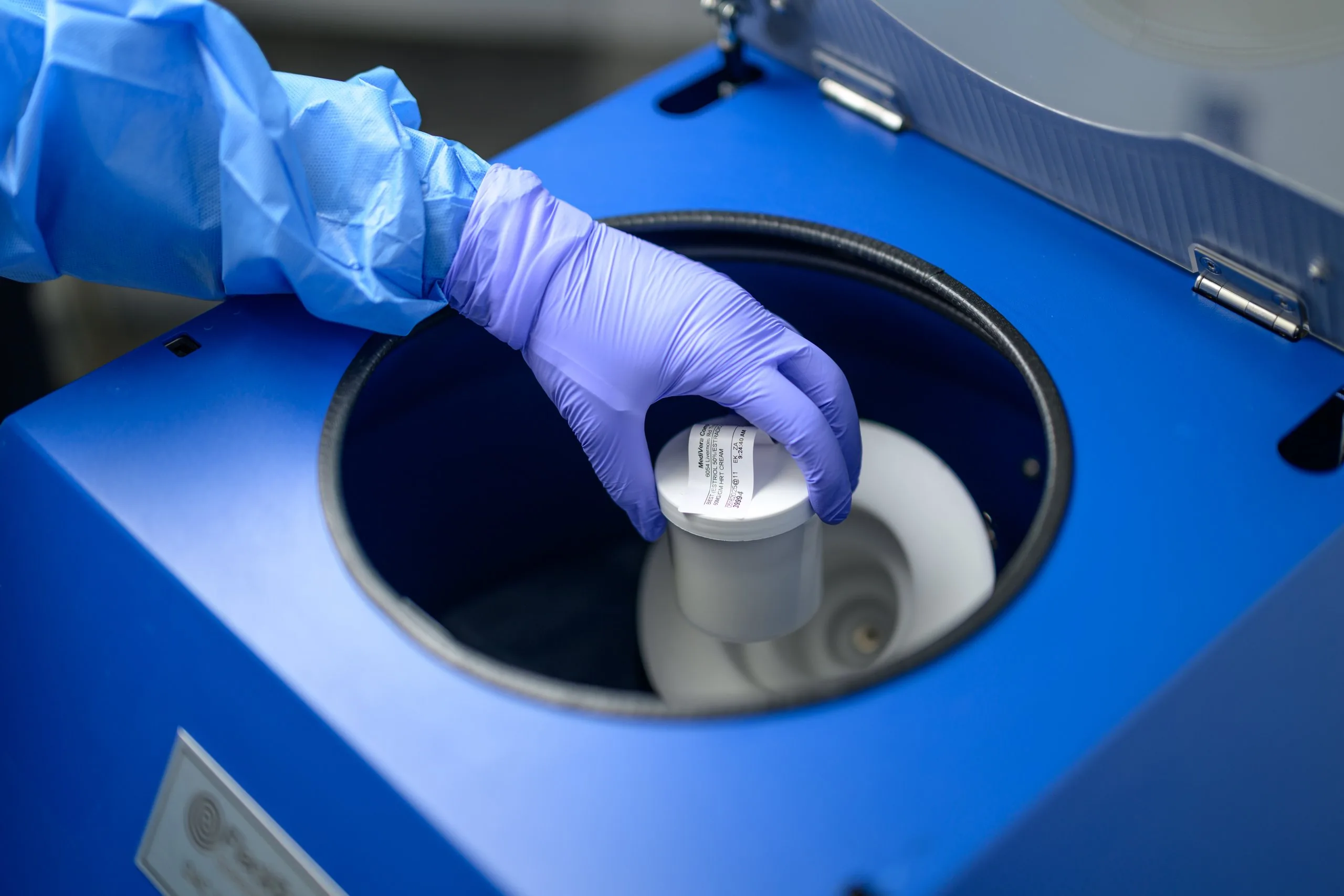
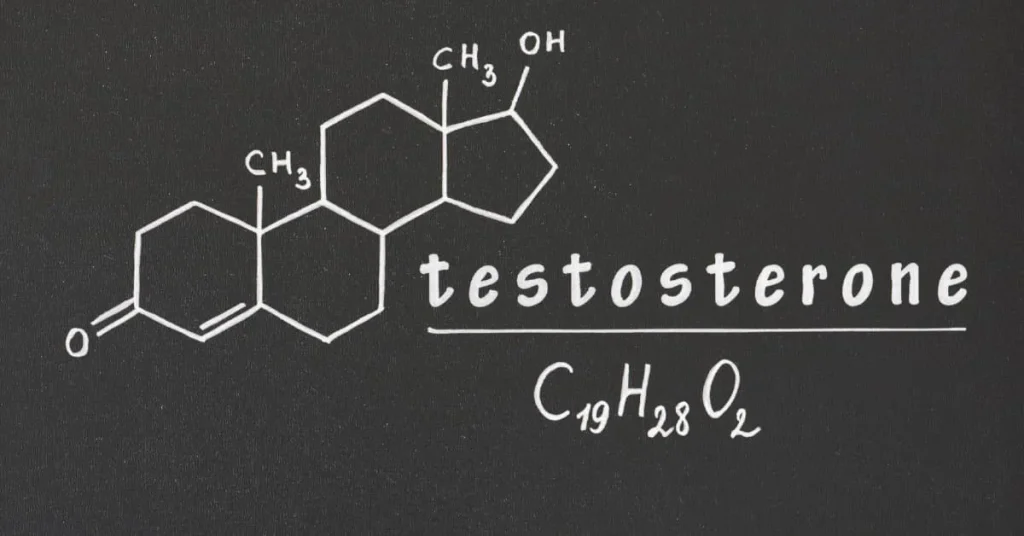
Prescribers have more testosterone therapy options than ever – understanding when to choose compounded solutions helps providers make more informed prescribing decisions for their individual patients. The clinical landscape for compounded TRT has expanded as men’s health practices grow, telehealth platforms scale, and patients arrive more informed about their options. Providers who can articulate the difference between commercial and compounded testosterone – and when each is appropriate – support more informed patient conversations and consistent follow-through on individualized protocols. This guide covers prescribing indications, commercial products, when compounded TRT is the right call, compliance considerations, the prescribing workflow, and monitoring protocols – including a prescribing decision tree. All compounded formulations referenced are not FDA-approved and are prepared by prescription for individual patients.
1. TRT Overview and Prescribing Indications
Testosterone replacement therapy is indicated for men with documented hypogonadism – a condition characterized by low serum testosterone levels accompanied by symptoms attributable to testosterone deficiency. Clinical diagnosis requires both biochemical confirmation and symptomatic presentation. Lab results alone are not sufficient, and symptoms alone are not sufficient. Both criteria must be present before initiating any TRT protocol, whether commercial or compounded. (AUA Testosterone Deficiency Guideline)
Biochemical Thresholds and Diagnostic Workup
The American Urological Association defines testosterone deficiency as a total serum testosterone below 300 ng/dL, measured on two separate morning samples. (AUA Testosterone Deficiency Guideline) Providers should also assess free testosterone in patients with borderline total levels, particularly in those with obesity or conditions affecting sex hormone-binding globulin (SHBG). A complete workup includes LH and FSH to differentiate primary from secondary hypogonadism – this distinction guides both treatment selection and patient counseling.
Common Presenting Symptoms
- Sexual dysfunction: Decreased libido, erectile dysfunction, and reduced morning erections are among the most commonly reported symptoms – and among the symptoms most commonly associated with documented testosterone deficiency per AUA clinical guidelines.
- Body composition changes: Increased fat mass, reduced muscle mass, and decreased strength that is not explained by other conditions.
- Mood and cognitive symptoms: Fatigue, depressed mood, reduced motivation, and impaired concentration.
- Reduced bone mineral density: Relevant in older patients and those with risk factors for osteoporosis.
Contraindications to Screen Before Initiating TRT
- Prostate cancer or breast cancer (active or suspected)
- Hematocrit above 54% – requires investigation before initiation
- Severe lower urinary tract symptoms – clinical judgment required
- Untreated severe obstructive sleep apnea
- Desire for fertility preservation – TRT suppresses endogenous production and spermatogenesis; alternative protocols may apply
2. Commercial Testosterone Products: Clinical Applications
Commercial testosterone products represent the first-line option for most patients with documented hypogonadism, and compounded TRT is appropriate when commercial options are unavailable, contraindicated, or unsuitable for the individual patient. Understanding the commercial product landscape informs when and why to move to compounding.
Topical Gels and Solutions
Commercially available testosterone gels (applied to shoulders, upper arms, or abdomen) and axillary solutions are widely prescribed. They offer the convenience of daily application and avoid injections. Key clinical considerations:
- Skin transfer risk: A documented concern with gel products – patients with young children or female partners should apply to covered skin and wash hands immediately after application.
- Absorption variability: Some patients show subtherapeutic levels despite compliant dosing, attributable to individual differences in skin permeability.
- Dose ceiling: Commercial gels come in fixed concentrations – patients requiring doses outside the available range cannot be accommodated without compounding.
Commercial Injectable Testosterone
Testosterone cypionate and testosterone enanthate are available commercially as IM injectables. These are effective, predictable, and well-studied. Their primary clinical limitations are fixed formulation (cypionate in cottonseed oil, enanthate in sesame or grapeseed oil) and limited dosing flexibility for patients whose optimal protocol requires sub-weekly injection intervals or subcutaneous administration not covered by commercial labeling.
Other Commercial Formulations
Testosterone pellet implants (Testopel), nasal gel (Natesto), and buccal testosterone are commercially available but less widely used. Each has specific application considerations that may or may not align with a given patient’s profile.
3. When to Prescribe Compounded TRT
Compounded TRT is appropriate when a patient has documented needs that cannot be met by a commercially available product. This is the foundational regulatory and clinical basis for compounding – not preference for its own sake, but individual patient need that commercial options cannot address. Providers should document the clinical rationale for choosing compounded over commercial testosterone at the time of prescribing.
Custom Dosing Requirements
A patient who achieves optimal serum levels at 75 mg weekly IM has a dose not commercially available in standard vials. A patient whose protocol calls for twice-weekly subcutaneous injections at 40 mg each falls outside commercial labeling for cypionate (IM only). These are legitimate, documentable clinical needs that compounding directly addresses. Compounded testosterone cypionate, enanthate, and combination formulations can be prepared to the exact concentration and volume required by the prescriber’s protocol.
Combination Protocols
The cypionate/propionate combination is a clinically useful formulation that is not commercially available. It combines a long-acting ester (cypionate) with a short-acting ester (propionate) in a single injection, providing both rapid onset and extended duration – reducing the peak-to-trough fluctuation some patients experience on cypionate or enanthate alone. This formulation is only available through compounding. MediVera’s testosterone combo formulation is prepared in grapeseed oil and can be dosed IM or subcutaneously per the prescriber’s protocol.
Delivery Method Preferences and Sensitivities
- Oil carrier sensitivities: Commercial testosterone cypionate is prepared in cottonseed oil. Patients with cottonseed sensitivities require an alternative carrier – compounded formulations can be prepared in grapeseed oil or sesame oil as clinically appropriate.
- Preservative-free formulations: Some patients with documented benzyl alcohol sensitivities or specific clinical needs require preservative-free preparations that compounding pharmacies can accommodate on prescription.
- Subcutaneous protocols: For patients whose providers prefer subcutaneous administration (which has clinical support for reduced peak-to-trough variance), compounded formulations at appropriate concentrations for SQ delivery give prescribers options that commercial labeling doesn’t fully support.
- Topical testosterone cream: For patients who prefer topical application but have documented absorption issues with commercial gels, or who require concentrations not commercially available, compounded testosterone cream can be prepared at individualized strengths.
For a full clinical overview of compounded testosterone enanthate and how it compares to other formulations, see MediVera’s testosterone enanthate clinical guide.
4. Compounding Advantages for Protocol Adherence and Individualized Dosing
The compliance picture with TRT mirrors what we see across chronic therapy categories: the more friction in the protocol, the higher the dropout rate. Compounding’s clinical value in TRT is largely a compliance story – removing the barriers that push patients off their protocols.
Dosing Interval Flexibility
Weekly or twice-weekly subcutaneous injections at low volumes are significantly more tolerable for most patients than biweekly IM injections at higher volumes. Subcutaneous protocols at shorter dosing intervals are associated in clinical literature with reduced peak-to-trough fluctuation, which providers cite as a factor in protocol tolerance. (PMC9006970) Compounded testosterone at subcutaneous-appropriate concentrations makes this protocol accessible.
Elimination of Carrier-Driven Side Effects
Patients who experience injection site reactions attributable to cottonseed oil – not uncommon with commercial cypionate – can be switched to grapeseed-based compounded formulations without changing the active hormone. This preserves the active hormone protocol while addressing a documented carrier-related tolerability factor. A patient who stops injecting because of injection site pain is effectively off therapy.
Combination Formulations Reduce Injection Frequency
The cypionate/propionate combination delivers two complementary ester profiles in a single injection. For patients who require both rapid onset and sustained levels, this eliminates a separate injection and simplifies the protocol – a direct compliance benefit. The combination is not commercially available; it exists only through compounding.
Custom Dosing to Support Stable Serum Levels
When a patient’s optimal dose falls between commercial strengths, providers face a choice: under-dose or over-dose to the nearest available commercial option. Compounding removes this constraint. A patient who is symptomatic at 150 mg/2 weeks but has supraphysiologic levels at 200 mg/2 weeks can be dosed at 170 mg/2 weeks through a compounded formulation – something no commercial product can accommodate.
5. Prescribing Workflow for Compounded TRT
A clear prescribing workflow reduces the administrative burden on your practice and sets the right expectations for patients entering a compounded TRT protocol.
Compounded TRT Prescribing Decision Tree
START: Patient presents with symptoms + lab-confirmed hypogonadism (Total T < 300 ng/dL on 2 morning samples)
Screen contraindications
Active/suspected prostate cancer, breast cancer, Hct >54%, severe LUTS, fertility goals, untreated sleep apnea
If contraindicated
Address underlying condition. Revisit TRT candidacy. Consider alternative protocols for fertility-preserving needs.
Patient clears contraindication screening – proceed to formulation selection
| Clinical Scenario | Start Commercial? | Compounded TRT? |
|---|---|---|
| Standard dosing needs, no carrier sensitivity | Yes – first line | If commercial unavailable/unsuitable |
| Dose outside commercial range | Cannot accommodate | Yes – custom dose |
| Cottonseed oil sensitivity or reaction | Not suitable | Yes – grapeseed carrier |
| Subcutaneous protocol preferred | Limited options | Yes – SQ-appropriate concentration |
| Cypionate/propionate combination needed | Not available | Yes – combination ester protocol |
| Preservative-free formulation required | Not available | Yes – compounded per Rx |
Document clinical rationale for compounded TRT selection at the time of prescribing. Providers are solely responsible for determining appropriateness for each individual patient.
Prescription Submission at MediVera
MediVera’s men’s health hormone replacement options are accessible through four submission channels to fit your practice workflow:
- Provider Portal: Fastest option – online submission with full prescription tracking
- EMR Integration: Submit directly through your EMR system
- Fax: Traditional fax submission available
- Phone: Call 877-531-1147 for direct pharmacist support on formulation questions
After prescription receipt, MediVera contacts patients within one business day and ships most compounded TRT formulations within 48 hours of patient confirmation across all 49 states.
6. Patient Monitoring Protocols for Compounded TRT
Monitoring compounded TRT follows the same clinical framework as commercial testosterone therapy – the compounding status of the formulation does not change monitoring obligations. What changes is the dosing flexibility available to respond to monitoring findings.
Baseline Assessment Before Initiating Any TRT
- Total testosterone (two morning samples), free testosterone, LH, FSH
- Complete blood count with hematocrit
- PSA and digital rectal exam (age-appropriate)
- Metabolic panel, lipid panel
- Sleep apnea screening if risk factors present
Monitoring Timeline
| Timepoint | Key Labs and Assessments | Clinical Focus |
|---|---|---|
| 3-6 weeks post-initiation | Serum testosterone (timed to injection midpoint for injectables) | Assess absorption or delivery, identify dose adjustment needs |
| 3 months | Testosterone, hematocrit, symptom reassessment | Erythrocytosis risk, symptomatic response, dose optimization |
| 6 months | Full panel including PSA, CBC, metabolic | PSA monitoring, hematocrit management, protocol stability |
| Annual (stable patients) | Full baseline panel repeated | Long-term safety monitoring, dose reassessment |
Hematocrit Management
Erythrocytosis is the most common laboratory adverse effect of TRT. Hematocrit above 54% warrants dose reduction, extended dosing interval, or therapeutic phlebotomy before continuing therapy. Compounded TRT’s dose flexibility is directly useful here – a reduction to a precise intermediate level is possible without switching to a different commercial product.
PSA Monitoring Considerations
A PSA increase of more than 1.4 ng/mL above baseline in the first 12 months, or a confirmed PSA above 4.0 ng/mL, warrants urology referral before continuing TRT. Providers should document PSA trajectory at each monitoring visit. (AUA Testosterone Deficiency Guideline)
Partner With a Compounding Pharmacy Built for Men’s Health Providers
Compounded TRT prescribing works best when the pharmacy partner has the clinical depth to support your formulation decisions – not just fill the prescription. MediVera Compounding Pharmacy brings 27+ years of hormone compounding experience, PCAB dual accreditation in sterile and non-sterile compounding, and a clinical team that supports providers through formulation selection, dosing questions, and patient onboarding. We prepare compounded testosterone cypionate, enanthate, cypionate/propionate combination, and topical testosterone cream – all compounded to prescription specifications in a PCAB-accredited, ISO-7 cleanroom facility and shipped within 48 hours of patient confirmation to providers across all 49 states. For a detailed look at the cypionate/propionate combination formulation, see MediVera’s testosterone combination protocol overview.
This article is for informational purposes only and is not medical advice. Always consult a healthcare professional before starting any treatment. Compounded medications referenced are not reviewed by the FDA for safety or effectiveness and are prepared by prescription for individual patients. Providers are solely responsible for determining their appropriateness.
MV
Laurie Malseed
With over 20 years of experience in marketing and advertising, Laurie drives strategic marketing initiatives through clear, compassionate content that connects patients and providers to personalized care solutions. At MediVera Compounding Pharmacy™, she leads content development and brand strategy, collaborating with pharmacists and healthcare professionals to create trusted resources that empower informed healthcare decisions. Through her work, Laurie brings the company's commitment to exceptional, individualized care into every message.