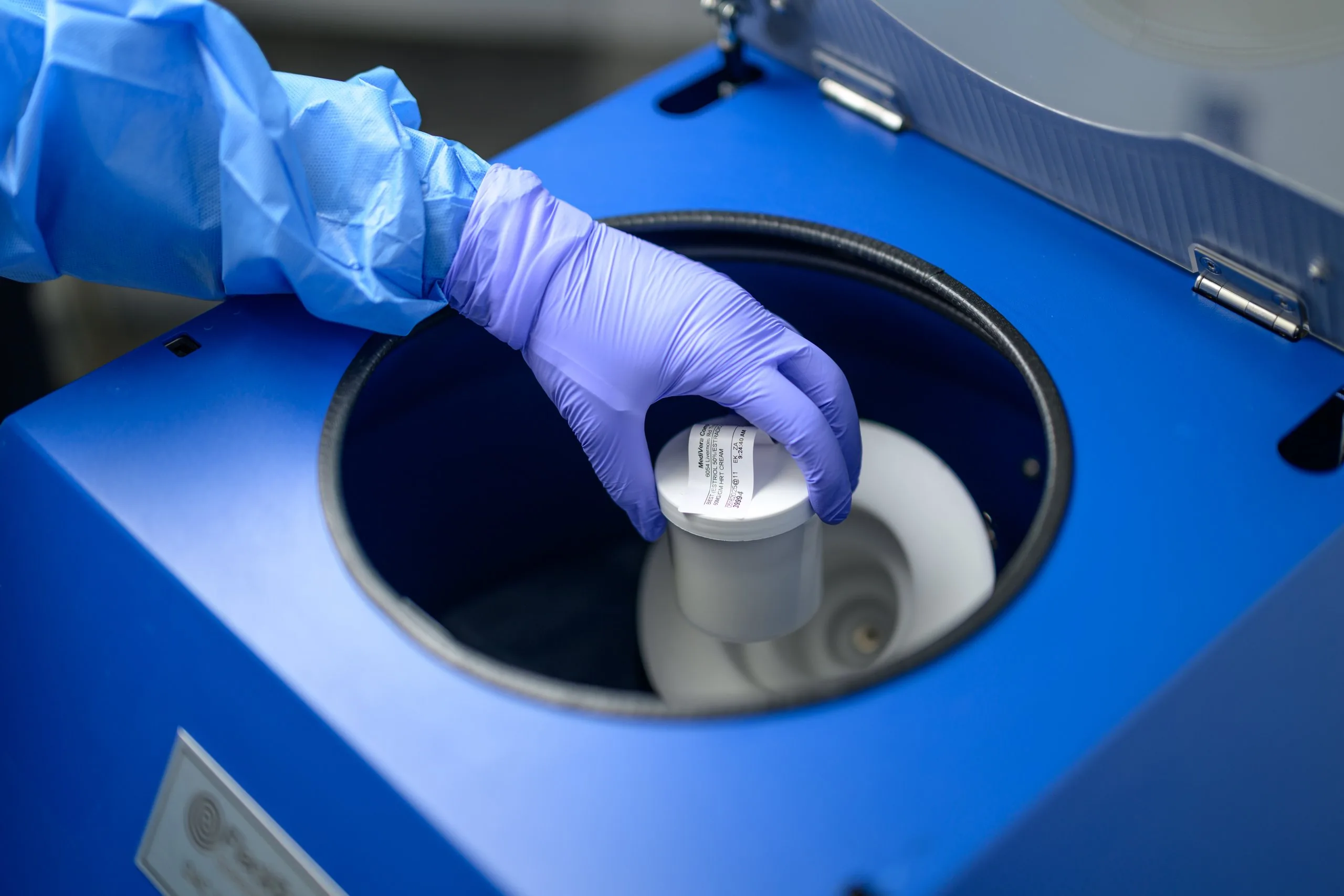

Compounded progesterone shows up in more women’s health prescription pads than most other compounded hormones. The delivery format isn’t a footnote. Cream and capsule each route the hormone differently, and the route shapes how the dose actually lands in the patient.
Plenty of prescribers pick one delivery method early and stay there. Others vary the route by patient profile and adherence pattern, and compounding gives them the latitude to do that. Here’s what compounded progesterone is, how cream and capsules compare from a prescriber’s seat, and what to look for in a compounding pharmacy partner.
What Is Compounded Progesterone
Progesterone is a steroid hormone, central to the menstrual cycle, pregnancy, and broader hormonal regulation. Decades of published clinical research document its physiological roles and therapeutic uses. It remains one of the more studied hormones in women’s health medicine.
When the clinical picture calls for a concentration, delivery format, or combination outside the commercial range, a compounding pharmacy can prepare a progesterone formulation under the prescriber’s order for an individual patient.
The compounded preparation usually starts from plant-based precursors and gets micronized so the particle size supports absorption. The active pharmaceutical ingredient (API) is progesterone, and the progesterone MediVera uses is derived from yams. What compounding changes is what the prescriber controls, which means concentration, route, and whether other hormones come along in the same preparation.
The 503A compounding framework sets the operating rules. A licensed compounding pharmacy prepares the order against a valid prescription from a licensed provider, for a specific patient. Clinical appropriateness is on the prescriber.
Prescribing Compounded Progesterone Cream
Cream goes on the skin or mucous membranes. Transdermal absorption means the hormone skips first-pass hepatic metabolism, that partial breakdown orally ingested hormones run through in the liver before they hit systemic circulation.
For most prescribers, two factors carry the weight on cream. The transdermal pathway itself, and the dosing latitude compounding allows.
- Transdermal route bypasses first-pass hepatic metabolism
- Prescriber-specified concentrations matched to protocol
- Application site and frequency set by the clinical assessment
- Absorption varies with application site, skin condition, and patient factors
Compounded cream concentrations regularly fall outside what’s available commercially. A patient moving through changing hormonal stages can have her cream concentration adjusted without switching products. That’s why cream stays a workhorse format for outpatient hormone protocols.
Prescribing Compounded Progesterone Capsules
Capsules deliver progesterone orally or sublingually. Take it orally and it runs through first-pass hepatic metabolism, which shapes the resulting metabolites. Use it sublingually, where the contents dissolve under the tongue, and you partially sidestep that pathway.
Most prescribing decisions around capsules turn on two things. The familiar oral dosing format, and the room to specify concentration and combination characteristics.
- Micronized progesterone in capsule form at prescriber-specified concentrations
- Oral dosing follows familiar adherence patterns
- Sublingual capsules offer an alternate absorption pathway when prescribed
- Combination capsules with other hormones prepared per order
Whether oral or sublingual fits a given patient is the prescriber’s call, based on the individual profile and response. Compounding lets the order specify the exact concentration the prescriber’s protocol calls for.
The capsule base matters too. Commercial micronized progesterone capsules are made with peanut oil, and their labeling contraindicates them in patients allergic to peanuts. They come in 100 mg and 200 mg strengths. A compounded capsule can be prepared without peanut oil and at the strength the order specifies, which gives the prescriber an option for a patient with a peanut allergy or a protocol outside those two strengths.
Cream vs Capsules at a Glance
Here’s the side-by-side. Two delivery formats, five clinical considerations each. As always, the appropriate route for a given patient is set by the prescribing provider.
| Consideration | Cream | Capsule |
|---|---|---|
| Route | Transdermal | Oral or sublingual |
| First-pass metabolism | Bypassed | Oral, yes. Sublingual, partially bypassed. |
| Concentration flexibility | Prescriber-specified | Prescriber-specified |
| Combination formulations | Per prescriber order | Per prescriber order |
| Administration | Patient self-applied | Patient self-administered |
No universal answer on route. Each patient’s clinical profile, adherence pattern, and treatment goals settle the formulation and delivery method, and that’s the prescriber’s call.
Working with a Compounding Pharmacy for Progesterone Preparations
Quality of a compounded progesterone preparation tracks with quality of the pharmacy making it. Verify these before committing to a compounding pharmacy for your progesterone prescribing.
- PCAB accreditation covering non-sterile compounding, where cream and capsule preparations are made.
- Documented third-party testing on finished preparations, with results available for prescriber review.
- Staffing depth in hormone work. Ideally a team of compounding pharmacists who handle cream, capsule, troche, and suppository progesterone routinely.
- Concentration latitude. The pharmacy can prepare progesterone at the exact strength your protocols call for.
- Fulfillment workflows built around hormone therapy prescribing volume.
MediVera puts $1.5M+ a year into independent third-party testing across its compounding program, sterile and non-sterile alike. When you’re prescribing progesterone across multiple formats, a single pharmacy relationship, with preparations batch-tested and documented through MediVera’s quality and compliance program, trims the operational drag of juggling vendors.
Practices building broader women’s health compounding programs, multi-hormone BHRT protocols included, lean on a pharmacy partner with depth across the full hormone range.
Frequently Asked Questions
What is compounded progesterone
It’s a progesterone preparation made by a licensed compounding pharmacy under a prescriber’s order for an individual patient. The preparation can be made at prescriber-specified concentrations, in alternative delivery formats (cream, capsule, sublingual, troche, suppository), and combined with other hormones when the protocol calls for it.
What’s the difference between compounded progesterone cream and capsules
Cream is topical, absorbed through the skin, and bypasses first-pass hepatic metabolism. Capsules go through the gut (with first-pass metabolism) or under the tongue (partially bypassing it). The prescriber picks the route based on the patient’s profile and treatment goals.
How do providers order compounded progesterone
Through the pharmacy’s provider portal, by e-prescription, by phone, or by fax. The order specifies compound, concentration, delivery format, and quantity. Pharmacy confirms formulation feasibility, then compounds. Most pharmacies serving hormone therapy practices run scheduled fulfillment windows and direct-to-patient shipping for telehealth models.
What quality standards should providers verify for compounded progesterone
PCAB accreditation is a verified independent quality indicator. Cream and capsule progesterone are non-sterile preparations, compounded under USP 795. Beyond accreditation, third-party batch testing and a track record with hormone therapy prescribers matter.
Can compounded progesterone be combined with other hormones
Yes, when prescribed for an individual patient. A compounding pharmacy can pair progesterone with other BHRT hormones in a single preparation. The prescriber sets combination, concentrations, and route based on the patient’s clinical needs. Providers running multi-hormone BHRT protocols often consolidate with one compounding pharmacy partner so every hormone in the regimen is consistently compounded using documented protocols.
Choose the Right Compounding Partner for Your Progesterone Prescribing
Progesterone prescribing begins with the provider’s assessment. The compounding pharmacy relationship then determines how much of that assessment translates into actual concentration, combination, and delivery format latitude.
MediVera Compounding Pharmacy prepares compounded progesterone as creams, capsules, troches, and suppositories, with dual PCAB accreditation and direct-to-patient fulfillment for telehealth providers in 49 states plus Washington, D.C. If your practice prescribes compounded progesterone, we’ll show you what working with a PCAB-accredited, batch-tested pharmacy partner looks like from day one.
Ready to discuss compounded progesterone for your practice?
Connect with MediVera’s provider team to review your progesterone formulation requirements and fulfillment options.
This article is for informational purposes only and is not medical advice. Always consult a healthcare professional before starting any treatment. Compounded medications referenced are not reviewed by the FDA for safety or effectiveness and are prepared by prescription for individual patients. Providers are solely responsible for determining their appropriateness.
MV
Katherine DiMercurio, PharmD
Katherine DiMercurio has been a dedicated and licensed pharmacist since 2016, with a specialized focus as a compounding pharmacist since 2022. After earning a Bachelor's degree in Nutritional Science from Michigan State University, Katherine went on to receive a Doctor of Pharmacy degree from Ferris State University. With a strong passion for health and wellness, Katherine is committed to helping patients and healthcare providers optimize care through personalized, compounded medications. Whether working closely with prescribers or providing individualized patient care, Katherine strives to enhance the therapeutic outcomes and well-being of every patient she works with.