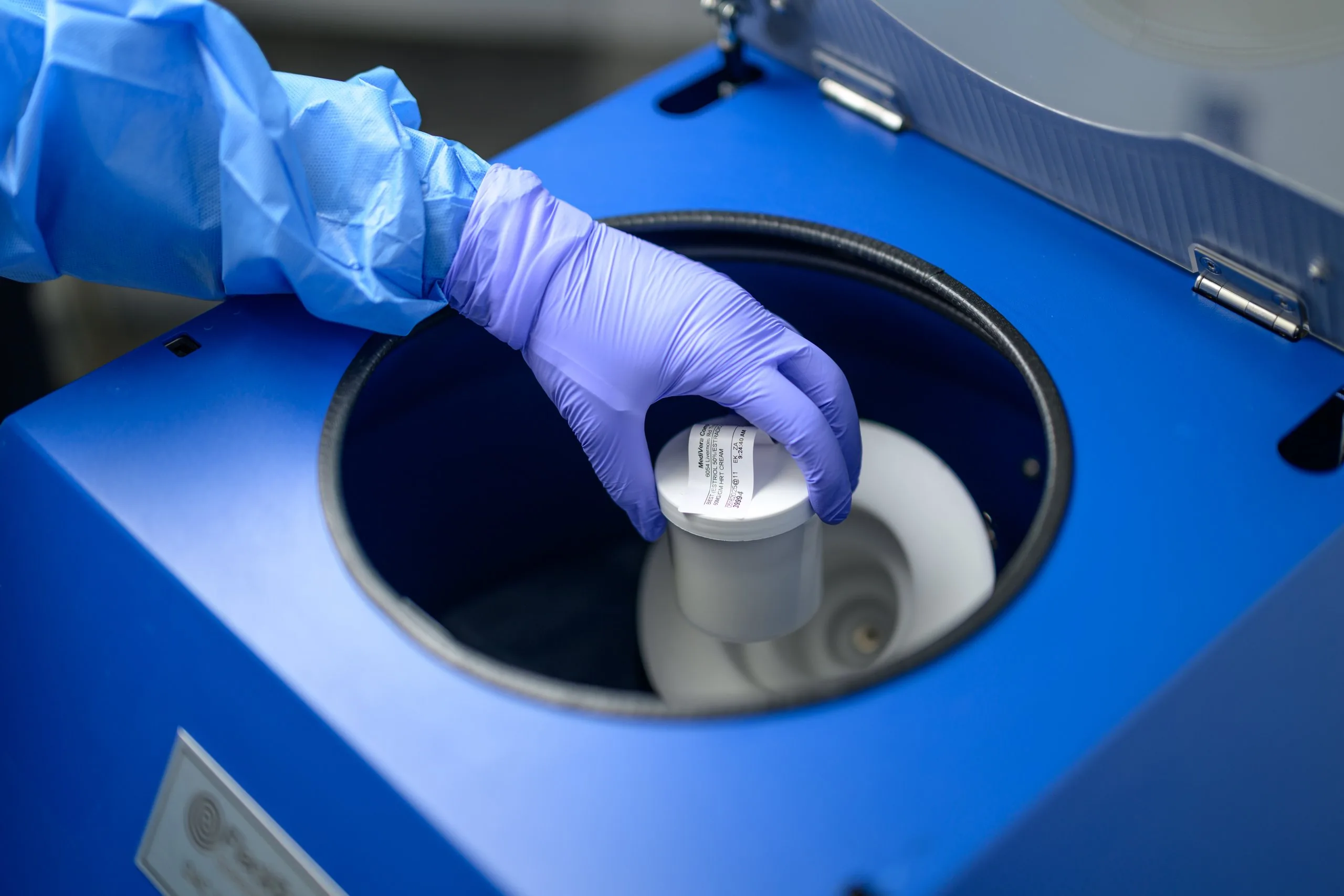

When it comes to personalized medication solutions, diligence, regulatory compliance, and adherence to established protocols are essential. MediVera is a 503A compounding pharmacy that prepares individualized prescriptions in alignment with USP <795>, <797>, and <800> guidelines. These USP standards set critical expectations for compounded medication practices: USP <795> for non-sterile preparations, USP <797> for sterile compounding, and USP <800> for the safe handling of hazardous medications. Together, they help safeguard both patients and pharmacy personnel through documented processes. This guide explores the responsibilities of a 503A compounding pharmacy, the role of USP <795>, <797>, and <800> compliance, and how MediVera maintains a consistent, protocol-driven approach to pharmacist-directed compounding.
What Are 503A Compounding Pharmacies?
503A compounding pharmacies are licensed facilities that prepare compounded medications based on individual prescriptions written by a licensed healthcare provider. Unlike manufacturers or commercial pharmacies that produce mass-distributed medications, 503A pharmacies compound each formulation to meet the specific directions of the prescriber. This approach allows for pharmacist-prepared formulations that may support patient needs such as allergy-friendly ingredients, modified dosage forms, or alternative delivery routes—when FDA-approved options are unavailable or inappropriate, as determined by the provider.
Key differences between 503A and 503B pharmacies
While both types of facilities are involved in compounding, their regulatory frameworks differ:
| Aspect | 503A Pharmacies | 503B Pharmacies |
| Purpose | Focus on individual prescriptions. | Produce medications in bulk for healthcare facilities. |
| Regulatory oversight | Governed by state boards of pharmacy and the FDA. | Regulated primarily by the FDA as outsourcing facilities. |
| Customization | Patient-specific formulations only. | Standardized batches for hospitals or clinics. |
| Sterility requirements | Follow USP <795> , <797> , and <800> standards for compounding. | Comply with cGMP (current Good Manufacturing Practices). |
503A pharmacies—including MediVera—are authorized to prepare compounded medications on a patient-by-patient basis, in accordance with a licensed provider’s prescription. In contrast, 503B outsourcing facilities are permitted to produce compounded medications in bulk for use in healthcare settings under specific federal oversight. While both serve important roles, they are structured to fulfill distinct regulatory and clinical responsibilities within the broader healthcare system.
Understanding USP <795>, <797>, <800> Standards In 503A Compounding Pharmacies
USP <795>, <797>, and <800> standards provide the foundational framework for how 503A compounding pharmacies prepare medications. Developed by the United States Pharmacopeia (USP), these guidelines help establish protocols for handling, preparing, and dispensing compounded medications in a way that aligns with regulatory expectations and professional practice. For 503A pharmacies such as MediVera, adherence to these USP standards is integral to maintaining internal consistency, pharmacist-directed protocols, and documentation procedures. The following sections examine how each of these standards informs MediVera’s compounding process and commitment to protocol-driven preparation.
USP <795> Non-Sterile Compounding
USP <795> outlines the foundational protocols for preparing non-sterile compounded medications such as creams, ointments, capsules, and oral solutions. These standards help 503A compounding pharmacies establish procedures that support pharmacist-directed preparation and appropriate handling of customized formulations. For pharmacies like MediVera, adherence to USP <795> supports:
- Contamination Control: Following detailed protocols helps reduce the risk of microbial contamination or ingredient degradation during compounding.
- Ingredient Management: USP <795> provides guidance for sourcing, labeling, and storing ingredients that meet acceptable purity criteria.
- Process Accuracy: The standard promotes consistent measurement, mixing, and documentation practices that help ensure compounded formulations reflect the prescriber’s written order.
USP <797> Sterile Compounding
USP <797> provides detailed guidelines for compounding sterile medications such as injectables, intravenous solutions, and ophthalmic preparations. These standards focus on establishing controlled processes that help limit contamination and promote consistency in sterile compounding environments. For 503A pharmacies like MediVera, compliance with USP <797> supports:
- Controlled Environments: Use of cleanrooms, laminar airflow hoods, and proper gowning techniques, as required by USP <797>, helps reduce the potential for microbial or particulate contamination.
- Standardized Aseptic Technique: USP <797> outlines validated protocols for aseptic preparation, equipment cleaning, and ingredient sterilization.
- Documentation and Testing: Guidelines include requirements for ongoing sterility testing, environmental monitoring, and record keeping to promote process consistency.
USP <800> Handling Hazardous Drugs In Healthcare Settings
USP <800> provides detailed protocols for managing hazardous drugs to reduce occupational exposure risk and support environmental safeguards in healthcare settings. These guidelines cover all stages of handling—receiving, storing, compounding, transporting, administering, and disposing—and are implemented in 503A compounding pharmacies such as MediVera. Compliance with USP <800> involves the following documented practices:
- Personnel Training and Responsibility: USP <800> assigns handling responsibilities to designated personnel. Training and role-specific procedures help promote a workplace culture focused on exposure control.
- Engineering Controls: Negative-pressure rooms, biological safety cabinets, and other containment devices are utilized to limit the spread of hazardous particulates and vapors during the compounding process.
- Decontamination and Cleaning: USP <800> outlines requirements for deactivating, decontaminating, and cleaning equipment and surfaces that come into contact with hazardous substances, including standardized spill response and disposal protocols.
- Documentation and Monitoring: Record keeping is essential for demonstrating compliance with USP <800> and helps maintain adherence to workplace safety protocols throughout the drug-handling process.
Benefits Of USP Compliance For Medication Quality and Regulatory Conformance
USP <795>, <797>, and <800> provide foundational guidance for compounding practices, helping pharmacies like MediVera implement standardized procedures that promote consistency, environmental control, and regulatory alignment. These guidelines support the safe preparation, handling, and documentation of non-sterile, sterile, and hazardous compounded medications under a prescriber’s order. By operating in accordance with USP standards, 503A compounding pharmacies demonstrate their adherence to accepted professional protocols in compounding. This structured approach helps ensure that preparations are made in a controlled environment with attention to process validation and traceability. The following section outlines how USP compliance informs daily pharmacy operations, from facility setup and personnel training to ingredient management and recordkeeping.
Custom Medications
503A compounding pharmacies are authorized to prepare medications based on a licensed provider’s prescription for an individual patient. This allows pharmacists to create customized preparations when commercially available products may not be suitable due to dosage, formulation, or ingredient considerations. Examples of customization include:
- Adjusted Dosage Forms: A prescriber may request a specific strength or format, such as capsules, creams, or liquids, when a commercial equivalent is unavailable or inappropriate for the patient.
- Flavor Modifications: Certain compounded preparations may include flavoring to accommodate prescriber requests for pediatric or geriatric patients who have difficulty swallowing or tolerating unflavored medications.
- Multi-Ingredient Formulations: Prescribers may request that multiple active pharmaceutical ingredients (APIs) be combined into a single preparation for convenience, provided it is clinically justified and within the scope of compounding regulations.
Broadened Treatment Possibilities
503A compounding pharmacies prepare medications based on a licensed provider’s prescription for an individual patient. This allows pharmacists to compound medications in formats or ingredient combinations that may not be commercially available, when appropriate. Examples include:
- Exclusion of Specific Ingredients: Compounded preparations may be prescribed without certain excipients such as dyes, preservatives, or fillers for patients with ingredient sensitivities.
- Adjusted Strengths: When a specific dosage is unavailable in a manufactured form, prescribers may request customized strengths to align with clinical judgment.
- Alternative Administration Forms: Compounded medications may be prepared as topical creams, liquid suspensions, troches, or other delivery methods based on patient preference or prescriber direction.
- Formulation Flexibility: In certain cases, prescribers may require a specific combination of active pharmaceutical ingredients (APIs) in one dosage form to support therapy that is not commercially available.
Patient-Focused Care
503A compounding pharmacies operate under a model that allows for medication preparation based on a licensed healthcare provider’s prescription for an individual patient. This model supports customized pharmaceutical formulations in cases where commercially available medications may be unsuitable due to ingredient tolerability, dosage needs, or delivery method preferences. Examples of prescriber-directed customization include:
- Formulation Adjustments: Healthcare providers may request alterations in strength, dosage form, or excipient profile to accommodate patient-specific considerations.
- Prescriber Collaboration: MediVera works directly with providers to prepare compounded medications that align with the prescriber’s clinical plan and the individual needs they have identified.
- Options for Delivery and Administration: Based on the prescription, medications may be compounded as liquid suspensions, creams, troches, or other forms to help support provider-directed therapy goals.
- Process Quality: MediVera compounds medications in accordance with applicable USP standards and PCAB-accredited protocols that include documentation, testing, and process validation.
Ease Of Access And Convenience
MediVera supports prescriber-directed care by offering services that simplify access to compounded medications. These services are designed to accommodate individual needs and help healthcare providers deliver timely, customized therapy when commercially available options are not suitable. MediVera offers:
- Collaborative Prescription Fulfillment: The pharmacy works with licensed healthcare providers to prepare and dispense individualized prescriptions as efficiently as possible, following applicable compounding protocols.
- Multi-State Licensing: MediVera maintains licensure in multiple states, allowing it to dispense compounded medications to patients across a broader geographic area, where permitted.
- Delivery Services: Patients may receive their prescribed compounded medications via mail through secure shipping options that align with applicable pharmacy regulations.
- Pharmacist Support: Licensed pharmacists are available to assist with prescription-related questions and provide counseling as required under applicable laws and pharmacy best practices.
Partnership With Healthcare Professionals
MediVera collaborates with licensed healthcare professionals—including physicians, nurse practitioners, and physician assistants—to support prescriber-directed therapy through compounded medications prepared for individual patients. The pharmacy provides:
- Prescription-Based Customization: MediVera prepares compounded medications according to the specific instructions of licensed providers, including adjustments to dosage strength, excipient profile, or delivery format when requested.
- Pharmacist Consultation: MediVera pharmacists are available to assist providers with compounding considerations, including compatibility of ingredients and available dosage forms.
- Streamlined Communication: Providers can submit prescriptions and communicate with the pharmacy through established channels designed to support timely and accurate fulfillment.
- Aligned Professional Standards: MediVera compounds medications in accordance with USP <795>, <797>, and <800> standards and is PCAB-accredited, reflecting its commitment to supporting safe, prescriber-directed therapy.
Adherence To Regulatory Standards
503A compounding pharmacies, such as MediVera, operate under a framework of federal and state regulations, with oversight from state boards of pharmacy. MediVera also follows nationally recognized compounding standards to support protocol-driven medication preparation for individual patients based on a licensed prescriber’s order.
- 503A Regulatory Compliance: MediVera complies with applicable 503A pharmacy requirements, including preparing compounded medications solely pursuant to individual prescriptions and not for office use or mass distribution.
- USP <795>, <797>, and <800> Alignment: MediVera compounds medications in accordance with USP <795> (non-sterile compounding), USP <797> (sterile compounding), and USP <800> (handling hazardous drugs). These standards help guide facility design, environmental controls, compounding procedures, and documentation.
- Commitment to Standards-Based Practice: MediVera’s internal processes include ingredient verification, in-house validation protocols, and pharmacist-directed oversight—all conducted under PCAB-accredited quality systems.
Why You Should Trust A USP-Compliant Compounding Facilities
USP-compliant compounding pharmacies follow nationally recognized standards that help guide how medications are prepared for individual patients. Facilities like MediVera adhere to USP <795>, <797>, and <800>, which outline best practices for non-sterile, sterile, and hazardous drug compounding. This approach reflects a strong commitment to procedural consistency and regulatory alignment. Here are several reasons why healthcare providers and patients may seek out a USP-compliant compounding facility:
- Structured Quality Protocols: USP standards define how ingredients are sourced, stored, and handled. These protocols help support consistency and integrity throughout the compounding process.
- Process Controls That Support Safety: USP <795>, <797>, and <800> include procedures for environmental control, equipment cleaning, and contamination reduction—contributing to a well-managed compounding environment.
- Prescriber-Directed Customization: USP compliance supports pharmacist preparation of dosage forms, delivery formats, or excipient profiles based on prescriber direction when commercial options are unavailable or inappropriate.
- Regulatory Alignment: USP-compliant pharmacies demonstrate a commitment to meeting widely accepted professional standards and applicable federal and state guidelines.
- Protocol-Driven Preparation: Following USP guidelines helps ensure that compounded medications are consistently prepared under validated internal procedures.
How MediVera Ensures USP Compliance In Compounding
MediVera follows established standards and protocols designed to support quality and regulatory alignment in its compounding practices. By adhering to USP <795>, <797>, and <800>, MediVera helps ensure that all medications are prepared in a controlled, pharmacist-directed environment based on individual prescriptions. Here’s how MediVera supports USP compliance throughout its operations:
- Verified Ingredient Sourcing: MediVera uses pharmaceutical-grade ingredients from FDA-registered suppliers. Each lot undergoes documentation review and verification for identity and potency prior to use in compounding.
- USP-Aligned Facilities and Equipment: The pharmacy operates in a controlled environment with dedicated spaces for sterile, non-sterile, and hazardous drug compounding. These include cleanrooms, laminar airflow hoods, and negative-pressure containment areas in accordance with USP <795>, <797>, and <800> protocols.
- Environmental Monitoring: Routine monitoring of air quality, surface contamination, and pressure differentials is conducted to meet internal validation protocols and USP environmental control expectations.
- Quality Control Checks: Every compounded preparation undergoes pharmacist-directed review and, where appropriate, additional testing for potency and sterility. These procedures help support consistency and documentation before a product is dispensed.
- Detailed Documentation: Comprehensive batch records and ingredient logs are maintained for every compounded preparation. This traceability supports audit readiness and regulatory compliance.
- Ongoing Staff Training: MediVera’s pharmacists and technicians complete regular training on compounding best practices, including safe handling procedures as outlined in USP <800>.
Through these internal standards and processes, MediVera aligns with USP guidelines and maintains its commitment to supporting prescriber-directed care with pharmacist-prepared compounded medications.
Not Every Compounding Pharmacy Delivers The Same Quality
Not all compounding pharmacies follow the same protocols or align with nationally recognized compounding standards. MediVera maintains documented procedures and facility design practices that reflect its adherence to established pharmacy guidelines and voluntary third-party quality benchmarks. Here’s how MediVera aligns with current professional expectations in compounding:
- USP <795>, <797>, and <800> Compliance: MediVera compounds medications in accordance with USP guidance for non-sterile, sterile, and hazardous drug preparations. These protocols outline environmental controls, ingredient handling, and record keeping requirements.
- PCAB Accreditation: MediVera holds accreditation from the Pharmacy Compounding Accreditation Board (PCAB), which involves voluntary compliance with additional quality and procedural standards in both sterile and non-sterile compounding.
- Facility Design and Environmental Control: MediVera’s facility includes clean rooms, containment devices, and environmental monitoring practices aligned with USP protocols to reduce contamination risk during the compounding process.
- Documentation and Process Transparency: Each compounded preparation is supported by batch records, ingredient sourcing verification, and pharmacist oversight. These processes support accountability and traceability throughout fulfillment.
MediVera’s compounding practices reflect its alignment with USP standards and PCAB expectations, supporting provider-directed therapies when a commercially available medication is not appropriate for a specific patient. Get the personalized care and custom medications you deserve with MediVera. Reach out to us today!
This article is for informational purposes only and is not medical advice. Always consult a healthcare professional before starting any treatment. Compounded medications referenced are not reviewed by the FDA for safety or effectiveness and are prepared by prescription for individual patients. Providers are solely responsible for determining their appropriateness.
MV
Tracey Maltese
Tracey Maltese brings over 30 years of pharmacy experience and more than 8 years of dedicated expertise in compounding to her role as a Compounding Pharmacist. A graduate of Wayne State University with a bachelor’s degree in pharmaceutical sciences, Tracey spent the majority of her career in retail pharmacy, serving as a pharmacist in charge. In the past eight years, she has found renewed purpose and professional fulfillment in compounding—describing this chapter as the most rewarding of her career. Her deep knowledge of medication preparation, attention to detail, and passion for customized patient care make her an invaluable part of the compounding team.