
If you feel tired for weeks at a time, notice your libido has faded, or feel that your strength and focus have changed, low testosterone in women may be part of the clinical picture. Testosterone is still discussed as a men’s hormone in many exam rooms. That leaves women trying to explain symptoms that may be tied to a measurable hormone change. In my work alongside the pharmacists and providers who partner with MediVera Compounding Pharmacy, I see this confusion often. A woman gets told it is stress or aging, then her labs suggest a hormone imbalance that deserves a closer look. I do not like calling testosterone a men’s hormone and leaving the conversation there. Women produce it in the ovaries and adrenal glands, then use it alongside estrogen and progesterone. Sexual health is part of that picture, along with energy, mood, muscle, and bone. When levels run low, the symptoms can look like stress, poor sleep, or menopause. That overlap is exactly why this needs a provider’s judgment instead of a self-diagnosis from a symptom list.
The Role of Testosterone in a Woman’s Body
Clinically, testosterone sits in a hormone group called androgens. Women carry much lower circulating levels than men, although lower levels can still have clinical meaning. The research on androgens in women published through the National Institutes of Health reviews how these hormones show up across several systems. That context matters before anyone jumps from a lab result to a prescription.
Sexual Well-being
The clearest clinical conversation about testosterone in women happens around libido. Hypoactive sexual desire disorder, or HSDD, is the best-supported reason a provider may consider therapy, and the detail that decides it is distress. A quieter sex drive on its own does not make treatment appropriate.
Bone Health
Patients rarely connect their hormones to their skeleton, yet androgens feed bone mineral density. Testosterone works with estrogen to help hold bone strength as a woman ages.
Muscle Mass and Strength
Same workouts, less to show for them. That is how a strength change usually announces itself, and testosterone is one of the hormones involved in keeping lean muscle in place.
Mood, Energy, and Cognition
I get cautious here. Low mood, mental fog, and flagging motivation are real complaints women raise, but none of them points cleanly at a single hormone. Before anyone blames testosterone, a provider still has to weigh sleep, thyroid function, medications, stress, and menopause status.
Healthy Red Blood Cells
Testosterone also plays a role in red blood cell production, which is one more reason a low dose and follow-up labs matter during therapy.
Signs and Symptoms of Low Testosterone in Women
The signs of low testosterone in women rarely arrive with a neat label. They can look like stress, poor sleep, perimenopause, menopause, thyroid trouble, medication effects, or several of those at once, which is why symptoms alone are not enough. The table below covers the patterns women tend to notice before they bring the issue to a clinician.
| Symptom | What women often notice |
|---|---|
| Ongoing fatigue | Tiredness that does not improve with rest |
| Decline in libido | Reduced sexual desire that causes personal distress |
| Mood changes | Low mood, irritability, or unexplained swings |
| Cognitive changes | Difficulty concentrating or mental fog |
| Weight changes | Difficulty with weight management despite usual habits |
| Reduced muscle and bone | Loss of strength or concerns about bone density |
No single symptom confirms a deficiency, so bring the pattern to a provider when symptoms last, cluster together, or feel different from your usual baseline.
What Causes Low Testosterone in Women
Age is one reason testosterone can fall. Some causes lower production, while others change how much hormone is available for the body to use. That distinction matters because a provider may recommend hormone replacement therapy, more testing, or a different first step.
- Natural aging and menopause bring a gradual fall in androgen production through the ovaries and adrenal glands.
- Surgical menopause after removal of the ovaries (oophorectomy) can cause an immediate drop in testosterone.
- Medication effects from corticosteroids and some oral estrogen therapies may lower available testosterone.
- Adrenal and pituitary conditions such as Addison’s disease and hypopituitarism can reduce hormone output at the source.
- Genetic and enzyme differences can affect how the body converts DHEA into active testosterone.
- Rare chromosomal conditions such as Turner syndrome can influence lifelong hormone levels.
This is why history-taking matters. A low number means less when the provider does not know what changed, when it changed, and which medications or diagnoses may be involved.
How Low Testosterone Is Diagnosed in Women
Diagnosis usually starts with the story. The provider needs to know what changed, how long it has been happening, and whether libido is the main concern or part of a wider symptom pattern. Blood testing comes next when the provider thinks it fits. Hormone levels shift during the day and across the menstrual cycle, so timing matters. The reference points below are general guides. They do not tell a provider to treat.
| Group | General total testosterone reference (ng/dL) |
|---|---|
| Premenopausal adult women | Roughly 15 to 70 ng/dL |
| Postmenopausal women | Typically lower than premenopausal levels |
These figures are general guides only, and reference ranges differ between laboratories. Your provider reads the number against your symptoms, age, menstrual status, and medical history. A regulatory point also belongs in this discussion. Testosterone is not FDA-approved for use in women. When a provider prescribes testosterone for women, the prescription is off-label and based on clinical judgment. Compounded medications are prepared under the framework the FDA describes for compounding, which is why the prescriber and pharmacy matter.
Bioidentical Hormone Replacement Therapy (BHRT) for Low Testosterone in Women
BHRT stands for bioidentical hormone replacement therapy. Bioidentical means the hormone has the same chemical structure as the hormone the body produces. In a compounding pharmacy, the prescription is prepared for one patient at a time. That gives the provider room to specify the hormone, strength, and delivery form instead of choosing from a fixed commercial product. For women with low testosterone, a provider may prescribe a compounded preparation at a dose appropriate for female physiology. That is usually what patients mean when they search for low dose testosterone for females. The clinical point is that the dose, form, and monitoring plan come from the prescriber. If you want to compare compounded options with standardized products, our overview of bioidentical versus synthetic hormones walks through the differences. Your provider decides whether BHRT fits your symptoms, lab results, and medical history.
Different Forms of Compounded BHRT for Women
Compounding gives the provider several delivery forms to consider. A topical preparation may make sense for one patient. Another patient may need a different route because of absorption, dose adjustment, tolerability, or transfer risk. Our guide to BHRT delivery methods covers these in more detail. The table below gives the short version.
| Form | How it is used | Considerations |
|---|---|---|
| Creams and gels | Applied to the skin on a schedule set by the provider | Allow fine dose adjustment; care needed to avoid transfer to others |
| Capsules | Taken by mouth | Familiar and convenient for many patients |
| Troches and drops | Dissolved in the mouth or placed under the tongue | Absorbed through the oral tissues |
| Suppositories | Used as directed by the provider | Chosen for specific clinical situations |
If your provider is considering a topical approach, our article on compounded hormone creams explains how those preparations are made and used. The form is part of the prescription, so your provider makes that decision with you.
Possible Side Effects of Testosterone Therapy in Women
Any hormone therapy can cause side effects. Testosterone for women needs the same careful monitoring, even though the dose is low compared with male therapy and small dose changes can matter.
- Skin and hair changes such as acne or increased facial or body hair.
- Voice changes that are uncommon at low doses but should be reported promptly.
- Mood or sleep shifts that may signal a dose that needs adjustment.
- Application-site reactions with creams or gels, including redness or transfer to others.
- Changes in lab values such as red blood cell counts, which is why follow-up testing matters.
Some side effects are dose-related and may improve when a provider adjusts therapy. Follow-up monitoring is part of the prescription plan from the start.
The Process of Starting Compounded BHRT
I would expect the process to move in order, even if every office handles the details a little differently. Symptoms, history, and labs should come before the prescription.
- Initial consultation where your provider reviews symptoms, goals, and medical history.
- Hormone testing to measure testosterone and related hormones at the appropriate time.
- Reviewing results alongside your history to decide whether therapy is appropriate.
- Individualized prescription specifying the hormone, strength, and delivery form for you.
- Compounding and fulfillment when the pharmacy prepares the prescription and ships it as directed.
- Monitoring and adjustments through follow-up testing and provider review over time.
Cost and insurance questions often come up before a prescription is filled. Our resources on BHRT cost and insurance coverage for BHRT can help you prepare for that conversation.
How MediVera Supports Customized BHRT for Women
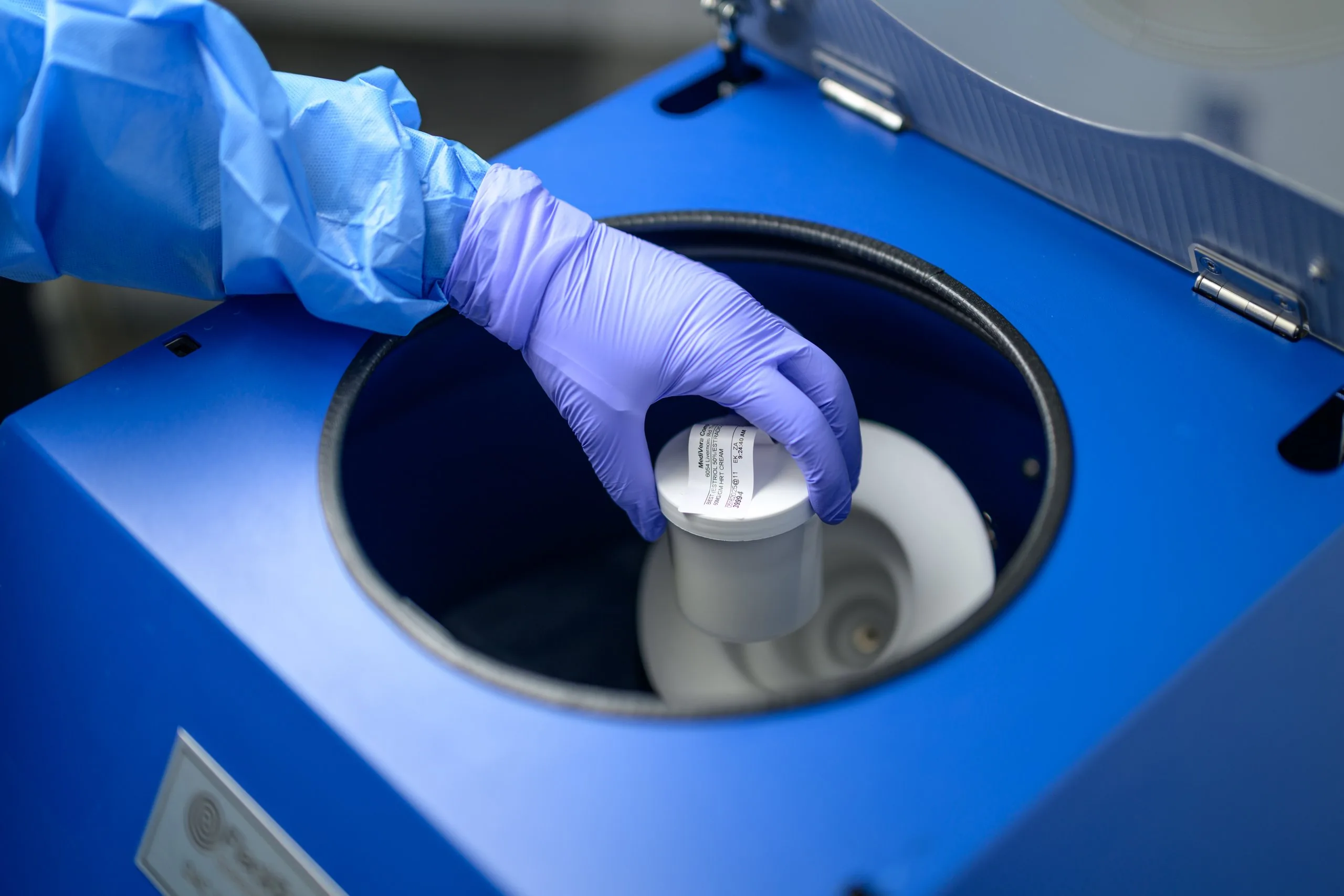
The prescription still depends on the pharmacy preparing it. MediVera is a PCAB-accredited 503A compounding pharmacy with accreditation in sterile and non-sterile compounding. Fewer than 1% of compounding pharmacies hold that distinction. MediVera invests more than $1.5M each year in third-party testing. The pharmacy also operates ISO-7 cleanrooms inside a 56,000 square foot facility and has a dedicated compounding pharmacist team on staff. You can read more about our standards on our quality and compliance page. For patients, a women’s health compounding prescription is prepared with documented quality controls, and most compounds ship within about 48 hours after the pharmacy receives a valid prescription. For clinicians, MediVera supports provider partnerships with dependable fulfillment and dedicated account support. If you are new to compounding, our explainer on compounded medications covers the fundamentals.
Frequently Asked Questions About Low Testosterone in Women
What are the signs of low testosterone in a woman?
Common signs include ongoing fatigue, reduced libido, low mood, difficulty concentrating, and loss of muscle or bone strength. These symptoms overlap with many other conditions, so a provider uses testing and your history to evaluate them.
What is considered a low testosterone level in women?
There is no single universal cutoff. Laboratories report different female reference ranges, so a provider decides what counts as low for you by reading the number against your symptoms, age, and menstrual status rather than a fixed threshold.
What is a normal testosterone level for a woman?
General total testosterone for premenopausal women often falls around 15 to 70 ng/dL, with lower levels after menopause, though laboratories use different ranges. A provider reads your result against your symptoms rather than a single number.
What causes low testosterone in women?
Causes include aging and menopause, surgical removal of the ovaries, certain medications such as corticosteroids and some estrogen therapies, and adrenal or pituitary conditions. Less common causes include genetic and enzyme differences in hormone processing.
Is testosterone therapy for women FDA-approved?
Testosterone is not FDA-approved for use in women. When appropriate, a provider prescribes it off-label based on clinical judgment, and a compounded preparation is made by prescription for the individual patient.
How is testosterone given to women?
Compounded testosterone for women can be prepared as creams, gels, capsules, troches, drops, or suppositories. The form and strength are part of the prescription and come from your provider’s clinical decision.
Does low testosterone cause weight changes in women?
Some women report difficulty with weight management when testosterone is low, since the hormone plays a role in muscle. Weight changes have many causes, so a provider evaluates them within your full clinical picture.
Can testosterone help women with low libido?
Hypoactive sexual desire disorder is the most recognized clinical reason a provider may consider testosterone for a woman. Whether it is appropriate depends on a provider’s assessment of your symptoms, lab results, and history.
Is testosterone therapy safe for women long-term?
Long-term research on testosterone in women is still developing. That is why a provider monitors therapy with follow-up visits and lab work, then adjusts the prescription as needed. Whether to continue is a clinical decision made between you and your provider.
How long does it take to start compounded BHRT?
The timeline depends on your provider’s evaluation and testing. Once MediVera receives a valid prescription, most compounds ship within about 48 hours, subject to the specifics of the order.
Partner With a Quality-Focused Compounding Pharmacy
Providers evaluating a fulfillment partner can contact MediVera about customized BHRT for women. Patients should work with their clinician to decide whether testing or therapy is appropriate. Contact MediVeraHormone care should stay provider-led, especially when testosterone is involved. If low testosterone in women may be part of your symptoms, bring the pattern to your clinician and ask whether testing makes sense.