
How often can you use Trimix injections? Most prescribers set the limit at three times per week, with a minimum 24-hour gap between doses and no more than one injection per day. These clinical boundaries protect against fibrosis, priapism, and reduced medication response. Your provider may recommend fewer injections depending on your health profile, the severity of your ED, and how your body tolerates each dose.
Most Providers Recommend Using Trimix No More Than Three Times Per Week
If you’re searching for a clear answer on how often you can use Trimix injections, here it is: most healthcare providers recommend no more than three Trimix injections per week, with at least 24 hours between each dose. Daily use is not advised. Going beyond these limits increases the risk of penile scarring, prolonged erections (priapism), and diminished medication response over time. That said, Trimix injection frequency varies from patient to patient. Your provider will set a schedule based on your health history, the severity of your erectile dysfunction, and how your body responds to each dose. Some men do well with one injection per week. Others may need two or three. The right number depends on a conversation between you and your prescriber – not a guess. The clinical guidelines exist for specific medical reasons, and the consequences of ignoring them are well-documented. What follows covers the frequency limits, the risks behind each one, and what you can do to get the strongest response from every dose.
What Makes Trimix Different From Oral ED Medications
Trimix is a compounded medication, meaning a licensed pharmacy prepares it from scratch for each patient based on a provider’s prescription. Unlike commercially manufactured pills such as sildenafil or tadalafil, Trimix is injected directly into the penile tissue. The formulation combines three active ingredients that work together:
- Alprostadil – relaxes smooth muscle tissue and widens blood vessels in the penis
- Phentolamine – blocks alpha-adrenergic receptors that would otherwise constrict blood flow
- Papaverine – acts as a vasodilator, further increasing circulation to the area
Because the medication bypasses the digestive system entirely, intracavernosal injection therapy is often considered when oral medications have not produced the desired response. That directness also means the dosing and frequency guidelines carry more weight – the medication acts on local tissue, and overuse creates localized risks that oral medications don’t share.
How Often Can You Use Trimix Injections – The Clinical Guidelines
Three boundaries govern responsible use of Trimix injections. Your provider will set your schedule within these limits, but the limits themselves are consistent across clinical practice.
The 24-Hour Minimum Between Injections
Never inject Trimix more than once in a 24-hour period. This isn’t a suggestion. It’s a clinical boundary. The medication’s effects on blood vessel dilation and smooth muscle relaxation need time to fully resolve before the tissue can tolerate another dose without added risk. Injecting again too soon compounds the risk of priapism, a medical emergency where an erection lasts four or more hours and can cause permanent tissue damage.
The Weekly Frequency Cap
Most prescribers set a ceiling of two to three injections per week. Some providers allow up to four in specific clinical scenarios, but this is uncommon. The weekly cap exists to protect penile tissue from cumulative trauma – repeated needle insertions and medication exposure in the same tissue bed can lead to fibrosis (scar tissue formation) over months of use.
Why Your Schedule Should Be Personalized
The guidelines above are ceilings, not targets. Your provider may recommend a lower frequency based on several factors:
- Mild ED – men with occasional difficulty may only need Trimix once a week or less
- Strong response at low doses – if a small dose produces reliable results, less frequent use reduces cumulative tissue exposure
- Concurrent oral medications – men who also take PDE5 inhibitors may need Trimix less often
- Age and cardiovascular status – older men or those with vascular disease may be advised toward a more conservative schedule
Regular follow-up appointments give your provider the data to fine-tune your frequency. What works at month one may shift by month six as your body adapts or your health changes.
What Happens When You Use Trimix Too Often
The frequency limits aren’t arbitrary. Each one protects against a specific medical risk that compounds with overuse.
Penile Fibrosis and Scarring
Every Trimix injection creates a microscopic wound in the tissue. When the body heals those wounds faster than new ones appear, the tissue stays healthy. When Trimix injections happen too frequently, scar tissue (fibrosis) accumulates at the injection sites. Over time, fibrosis can make future injections less effective, cause pain during erections, and in severe cases lead to Peyronie’s disease, a condition where scar tissue causes the penis to curve abnormally.
Priapism Risk
An erection lasting four hours or more is called priapism, and it is the most acute risk of overusing Trimix injections. When the medication is administered before the previous dose has fully cleared, the vasodilatory effects stack. Blood flows into the penile tissue but cannot drain at a normal rate. The Mayo Clinic classifies priapism as a urological emergency that requires immediate medical treatment. Untreated, it can cause irreversible damage to the erectile tissue.
Diminished Response Over Time
Some men who exceed the recommended frequency of Trimix injections notice that the medication becomes less effective. The tissue adapts to constant pharmacological stimulation, and the same dose produces a weaker response. This can create a dangerous cycle where the patient increases their dose to compensate – raising the risk of priapism and fibrosis simultaneously.
Factors That Shape Your Ideal Trimix Schedule
Your provider weighs several variables when setting and adjusting your injection frequency. Understanding these helps you have a more productive conversation at your next appointment.
Severity of Erectile Dysfunction
Men with mild ED – occasional difficulty achieving or maintaining an erection due to stress, fatigue, or minor circulatory changes – often do well with once-weekly Trimix use. The condition is intermittent, so the treatment can be too. Men with moderate to severe ED – particularly those whose condition stems from diabetes-related nerve damage, post-surgical changes (such as radical prostatectomy), or significant vascular disease – may need Trimix two or three times per week to maintain sexual function. Even in these cases, the 24-hour and weekly caps still apply.
Your Body’s Response to Each Dose
How your body reacts to Trimix tells your provider whether the current frequency is appropriate. Positive indicators include consistent, reliable erections lasting 30 to 60 minutes without pain or excessive swelling. Warning signs that may prompt a frequency reduction include:
- Pain or tenderness at injection sites that persists between doses
- Erections lasting longer than expected – particularly beyond 90 minutes
- Bruising or lumps developing at repeated injection sites
- Reduced effectiveness at the same dose compared to earlier treatments
If any of these occur, contact your prescriber before your next scheduled injection. An adjustment to frequency, dose, or injection technique may be needed.
Other Medications and Health Conditions
Certain medications interact with the vasodilatory mechanism behind Trimix injections. Blood thinners can increase bruising risk at injection sites, and antihypertensive drugs may intensify the blood-pressure-lowering effect. Decongestants containing pseudoephedrine or phenylephrine constrict blood vessels systemically, potentially working against the intended effect of your Trimix injections. Conditions like uncontrolled hypertension, sickle cell disease, or bleeding disorders may also influence how often your provider recommends using the medication. Always disclose your full medication list and health history so your treatment plan accounts for these interactions.
How to Get the Strongest Results From Each Injection
Proper technique and preparation can improve the effectiveness of every Trimix injection – which in turn may mean you need fewer injections overall.
Before Your Injection
- Skip decongestants for 24 hours prior. Pseudoephedrine and phenylephrine constrict blood vessels body-wide, directly counteracting what Trimix is designed to do.
- Limit alcohol. Alcohol initially dilates blood vessels but then drops blood pressure and dulls nerve response. Both effects work against the medication. For best results, keep alcohol to one drink or less before a planned injection.
- Allow the vial to reach room temperature. Cold medication can cause discomfort on injection and may not distribute through tissue as evenly.
During Administration
- Stand while injecting. Gravity positions the tissue naturally and improves access to the correct injection site along the lateral shaft. Standing also supports better circulation during the critical absorption window.
- Measure precisely. Draw the exact prescribed dose using a sterile syringe. Remove air bubbles by tapping the syringe barrel and gently pressing the plunger until a small drop appears at the needle tip.
- Clean the injection site with an alcohol swab. Let the area dry completely before inserting the needle – injecting through wet alcohol can cause stinging.
- Alternate sides. Rotate between the left and right lateral sides of the shaft with each injection. This distributes tissue stress and reduces the risk of localized fibrosis.
After Your Injection
- Apply gentle pressure at the base for 30 to 60 seconds. This helps distribute the medication through the surrounding tissue.
- Stay upright or seated. Lying flat on your back can reduce blood flow to the area and weaken the medication’s effect. Remain upright for 10 to 15 minutes after injection.
- Monitor the duration. A normal response lasts 30 to 90 minutes. If your erection persists beyond two hours, apply an ice pack to the inner thighs. If it reaches four hours, seek emergency medical care immediately.
When to Talk to Your Provider About Adjusting Frequency
Your Trimix injection schedule isn’t static. Several situations warrant a conversation with your prescriber about whether your current frequency still fits:
- Improved cardiovascular health – weight loss, better blood pressure control, or improved blood sugar management can reduce ED severity, meaning you may need fewer injections
- New medications – starting or stopping any medication, particularly blood pressure drugs, antidepressants, or alpha-blockers, can change how your body responds to Trimix
- Declining effectiveness – if the same dose and frequency no longer produce reliable results, your provider may adjust the formulation concentration rather than increasing frequency
- Pain or tissue changes – any new lumps, ongoing tenderness, or curvature changes at injection sites should be evaluated promptly
- Lifestyle changes – quitting smoking, starting an exercise program, or managing a newly diagnosed condition like sleep apnea can all shift the equation
Regular follow-ups – typically every three to six months for established Trimix users – give your provider the window to recalibrate your plan before small issues become larger problems.
Why Compounding Quality Directly Affects Safety
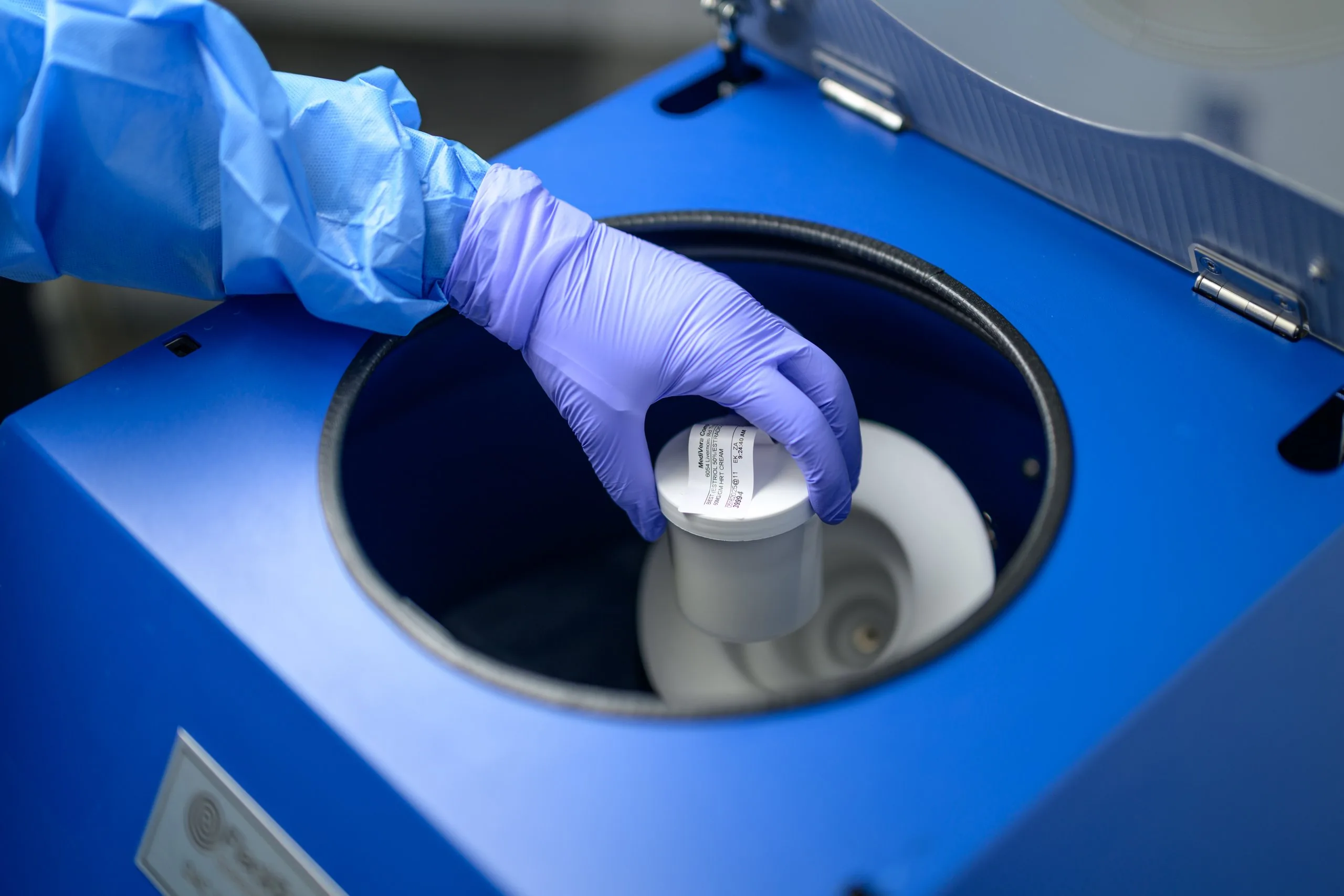
Trimix isn’t available as a commercially manufactured product. Every vial is compounded from individual ingredients by a pharmacy. The quality of that compounding process matters. The accuracy of the ingredient ratios, the sterility of the preparation environment, and the consistency between batches all directly affect the medication’s performance and the risk profile at your prescribed frequency. An improperly compounded vial might contain a slightly higher concentration of one ingredient than prescribed. That small variance can mean the difference between an effective 45-minute response and a prolonged erection requiring emergency treatment. Batch-to-batch inconsistency can also make it difficult for your provider to calibrate your dose, because the medication you’re injecting isn’t reliably the same strength each time. MediVera Compounding Pharmacy holds PCAB dual accreditation in both sterile and non-sterile compounding – a standard that fewer than 1% of compounding pharmacies nationwide hold. Every batch of Trimix is tested at a third-party laboratory for potency, sterility, and the absence of bacterial or fungal contamination before it ships. The pharmacy operates from a 56,000-square-foot facility with ISO-7 cleanrooms and USP 795/797/800 compliance, staffed by compounding pharmacists across a team of more than 120 professionals. For patients and prescribing providers, this matters because dosing consistency is the foundation of a responsible frequency schedule. When every vial matches the prescription exactly, your provider can adjust your dose and timing with confidence – and you can follow your schedule knowing each injection delivers what’s expected.
Frequently Asked Questions About Trimix Injection Frequency
How often can I use Trimix in one week?
Most providers recommend a maximum of two to three Trimix injections per week, with some allowing up to four in specific cases. The minimum gap between any two injections is 24 hours. Your prescriber will set your specific weekly limit based on your health status and how your body responds to the medication.
Can I use Trimix two days in a row?
Yes, as long as at least 24 hours have passed since your last injection and you stay within your provider’s weekly frequency cap. For example, if you inject on Monday evening, you could inject again on Tuesday evening. However, using Trimix on consecutive days regularly is not recommended for most patients, as it increases cumulative tissue stress.
What is the strongest Trimix formulation?
Trimix formulations vary in concentration. Common strengths range from lower concentrations (such as 10/0.4/1 mcg/mg/mg per mL of alprostadil/phentolamine/papaverine) to higher concentrations for men who need stronger vasodilatory effect. MediVera also compounds Quad Mix and Super Quad formulations, which providers may prescribe when a different concentration profile is clinically indicated. Your provider determines the appropriate strength – never adjust your formulation on your own.
How long does Trimix last after injection?
A typical Trimix injection produces an erection lasting 30 to 90 minutes, depending on the dose, formulation strength, and individual response. The medication itself remains pharmacologically active for approximately one to two hours. If an erection lasts beyond two hours, apply ice to the inner thighs. At four hours, seek emergency care.
How should I store Trimix to keep it effective?
Trimix must be refrigerated at 36 to 46 degrees Fahrenheit (2 to 8 degrees Celsius). Most compounding pharmacies assign an expiration date of 30 to 90 days from compounding, depending on the formulation. Trimix can also be frozen for longer storage – frozen vials typically remain stable for up to six months. Never use a vial that has been left at room temperature for extended periods, appears cloudy, or has passed its expiration date. Degraded medication may not perform as expected and should be discarded.
This article is for informational purposes only and is not medical advice. Always consult a healthcare professional before starting any treatment. Compounded medications referenced are not reviewed by the FDA for safety or effectiveness and are prepared by prescription for individual patients. Providers are solely responsible for determining their appropriateness.
MV
Nicole Pearson, PharmD
Nicole Pearson is a licensed pharmacist with over 12 years of experience. She earned her PharmD from Ferris State University in 2013 and holds active licenses in 5 states. For 11 years, Nicole served as a pharmacy manager in a busy retail pharmacy setting, where she honed her leadership and clinical skills. In 2024, she joined MediVera, where she focuses on personalized compounded medications. In 2025, Nicole earned her PCCA Certified Master designation in Hormone Replacement Therapy, reflecting her commitment to advancing patient-centered care. Known for her compassion and attention to detail, Nicole delivers high-quality outcomes for every patient she serves.